
Attestation centers explained for Filipino expats in UAE
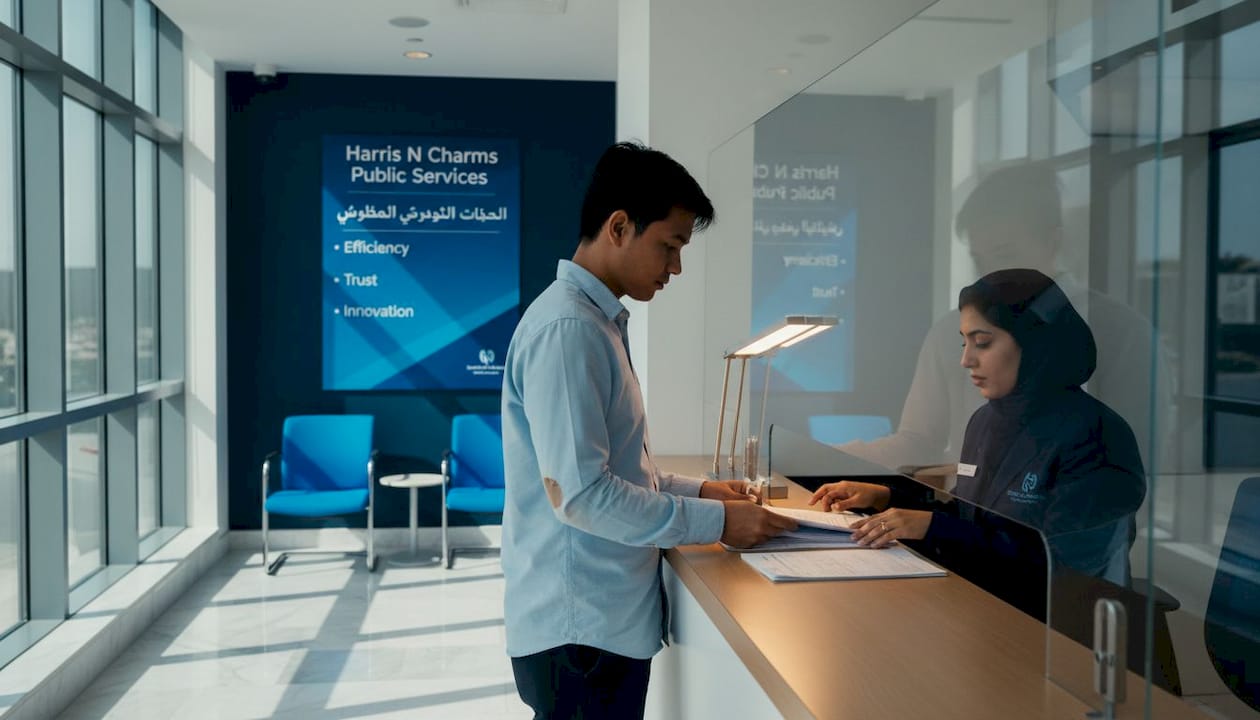
If you’ve ever stared at a stack of documents and wondered exactly where to go, what to bring, and who actually stamps what, you’re not alone. Thousands of Filipino expats in the UAE face this exact situation every year, especially when they need documents validated quickly for a job offer, a family visa, or enrollment abroad. The term “attestation center” gets thrown around a lot, but what it actually means, what happens inside one, and whether it’s even the right option for you are questions that rarely get straight answers. This guide gives you those answers.
Table of Contents
Key Takeaways
Point | Details |
One-stop solution | Attestation centers simplify document validation for overseas use by offering many services in one place. |
Step-by-step workflow | Booking an appointment, preparing correct paperwork, and collecting documents are key steps at centers. |
Know your options | Explore attestation centers alongside agencies and online services to choose what suits your needs best. |
Preparation matters | Double-check all requirements and documents to avoid processing delays or rejections. |
What are attestation centers?
Attestation centers are authorized venues where individuals can submit, verify, and authenticate important documents for official use in the UAE or abroad. Think of them as dedicated hubs built specifically to handle the legal validation of your personal and professional paperwork. Instead of visiting multiple government offices across different parts of the city, you can often complete several steps under one roof.
In the UAE, these centers typically coordinate with the Ministry of Foreign Affairs (MoFA) or other relevant government entities. MoFA attestation is the final and most critical step for documents that need official UAE government recognition. Without it, your papers may not be accepted by employers, courts, universities, or immigration authorities.
Filipino expats most commonly need attestation centers for the following reasons:
Work purposes: Employment contracts, educational diplomas, and professional certificates must be attested before employers or licensing authorities will recognize them.
Family visas: Birth certificates, marriage certificates, and adoption documents need attestation to sponsor dependents.
Study abroad: Academic transcripts and diplomas require validation to enroll in UAE or overseas institutions.
Legal matters: Powers of attorney, affidavits, and court documents often need attestation before they carry legal weight.
Business setup: Company documents may need MoFA attestation as part of the trade license or registration process.
When you walk into an attestation center, expect a structured environment with staff who specialize in document processing. You’ll typically find counters for submission, verification, and collection, along with guidance on fees and turnaround times. Some centers offer same-day processing for certain documents, while others have standard timelines of two to five working days.
Document type | Typical processing time | Common use |
Educational diploma | 3 to 5 working days | Employment, licensing |
Birth certificate | 2 to 4 working days | Family visa, residency |
Marriage certificate | 2 to 4 working days | Dependent visa, legal |
Power of attorney | 1 to 3 working days | Legal transactions |
Commercial documents | 3 to 7 working days | Business registration |
As noted by attestation specialists, some attestation centers are presented as one-stop government transaction hubs that allow customers to do MoFA-related attestation in person, for example via a center in Dubai. This setup makes it much easier for expats who cannot afford to take multiple days off work to visit various offices across the emirate.
How attestation centers work in the UAE
The attestation process in the UAE follows a specific sequence, and understanding it upfront saves you from wasted trips and unnecessary stress. Here is what the typical workflow looks like at an attestation center:
Book your appointment. MoFA handles document attestation, and you can attest documents by visiting a specific location such as the Karama Business Center and booking an appointment through the official online form. Walk-ins are not always accepted, so scheduling ahead is critical.
Prepare your documents. Before your visit, gather originals and clear photocopies. For Filipino documents, you typically also need prior authentication from the Philippine Embassy or the Department of Foreign Affairs (DFA) back home.
Submit your documents. At the center, staff verify that your documents meet the requirements. They check for proper notarization, correct formats, and any prior certifications already on the document.
Pay the fees. Fees vary depending on document type and processing speed. Keep your receipt. You will need it for collection.
Collect your attested documents. Once processing is complete, you return to pick up your papers, now bearing the official government stamp that validates them for use.
The most common documents processed through attestation centers include educational diplomas and transcripts, birth and marriage certificates, powers of attorney, commercial contracts, and medical certificates. Each document type may have slightly different requirements, which is why checking the center’s current guidelines before your visit is essential.
“Knowing who can attest documents and at which stage saves Filipino expats significant time and reduces the risk of rejection.”
Pro Tip: Before visiting the center, use the official online checklist or call ahead to confirm exactly which supporting documents you need for your specific document type. A single missing paper can result in your submission being turned away entirely.
Centers play a critical role beyond just stamping papers. They verify authenticity, check for inconsistencies, and in some cases forward documents to higher authorities for additional validation. If you want to prepare attestation papers correctly the first time, understanding this layered process makes all the difference.
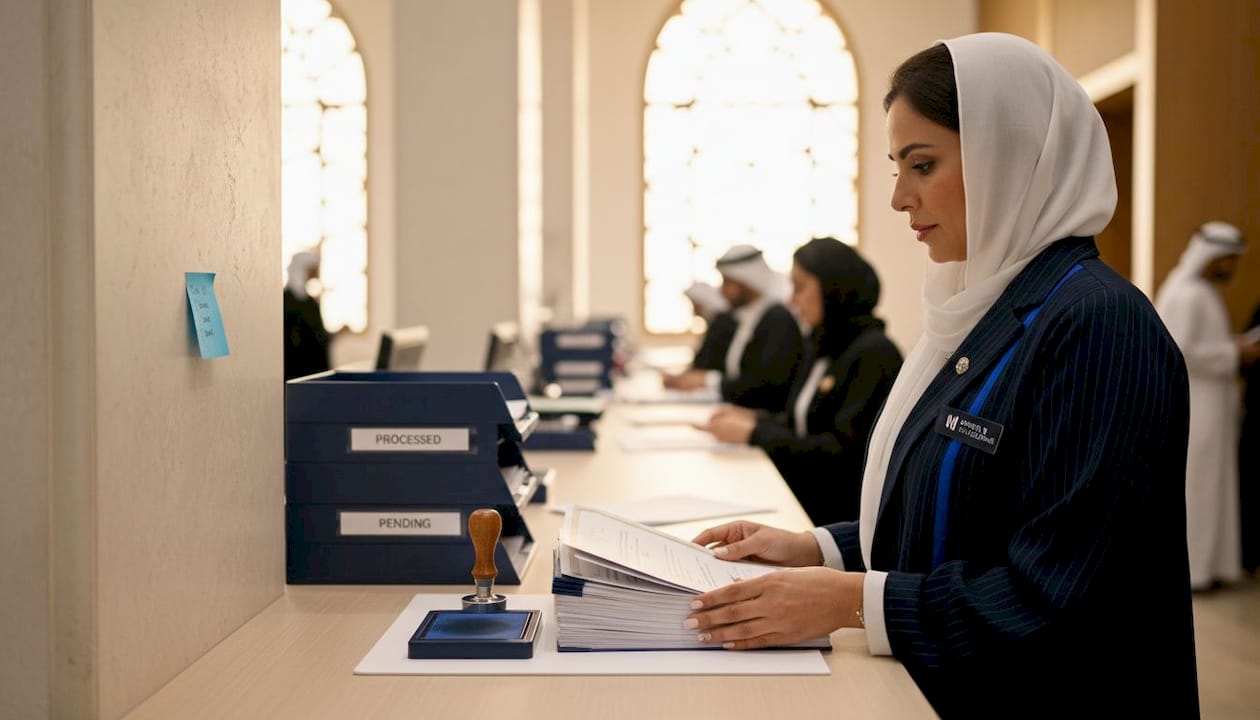
Avoiding delays comes down to three things: complete paperwork, correct fees, and clean documents. Torn, faded, or altered documents are frequently rejected. Always bring originals, not just photocopies, and make sure signatures are clear and names are spelled consistently across all papers.
Attestation center vs. alternative options: What’s best for you?
You have more than one way to get your documents attested in the UAE, and each option comes with its own trade-offs. Attestation centers act as government transaction hubs for MoFA-related attestation, but they must be distinguished from private agencies, which operate independently and may offer different service levels and pricing.
Here’s a practical comparison:
Option | Cost | Speed | Convenience | Official acceptance |
Attestation center (MoFA) | Moderate | 2 to 5 days | Requires in-person visit | Highest |
Private agency | Higher | 1 to 3 days | Document pickup/delivery | High (if accredited) |
DIY (self-submission) | Lowest | 3 to 7 days | Most effort required | High if done correctly |
Online portals | Varies | 2 to 5 days | Convenient, less travel | High for eligible docs |
Attestation centers are generally the safest bet if you want direct government-level processing. The stamps carry the highest level of authority and are accepted by virtually all UAE institutions.
Private agencies work as intermediaries. They collect your documents, handle the submission process on your behalf, and return them to you once attested. This is useful if you have a demanding work schedule or live far from the center. However, not all agencies are equally trustworthy, and some charge significantly more than the government fees. Reading an agency attestation guide before hiring one helps you know what to expect and what questions to ask.
DIY submission works for expats who have the time, confidence, and flexibility to navigate the process themselves. The cost savings are real, but so is the risk of errors. A misunderstood requirement or a missed step can set you back weeks.
Online portals are growing in availability, but not all document types are eligible for digital submission. Always verify whether your specific document can be processed online before committing to that route.
Key factors to weigh before deciding:
Cost: Are the agency fees worth the convenience compared to visiting a center yourself?
Speed: Do you have a job offer deadline or visa expiry pushing the timeline?
Official acceptance: Will the attested document be accepted by the specific entity requesting it?
Personal involvement: How comfortable are you handing over original documents to a third party?
Pro Tip: If your employer, university, or government office specifies a particular attestation authority, always follow their requirement exactly. What one entity accepts, another may not. Understanding the professional attestation benefits of using an accredited service can prevent costly mistakes.
Tips for Filipino expats: Navigating attestation smoothly
Whether you choose a center, an agency, or the online route, the practical steps below apply across the board. Filipino expats who follow these habits consistently report smoother, faster processing with fewer headaches.
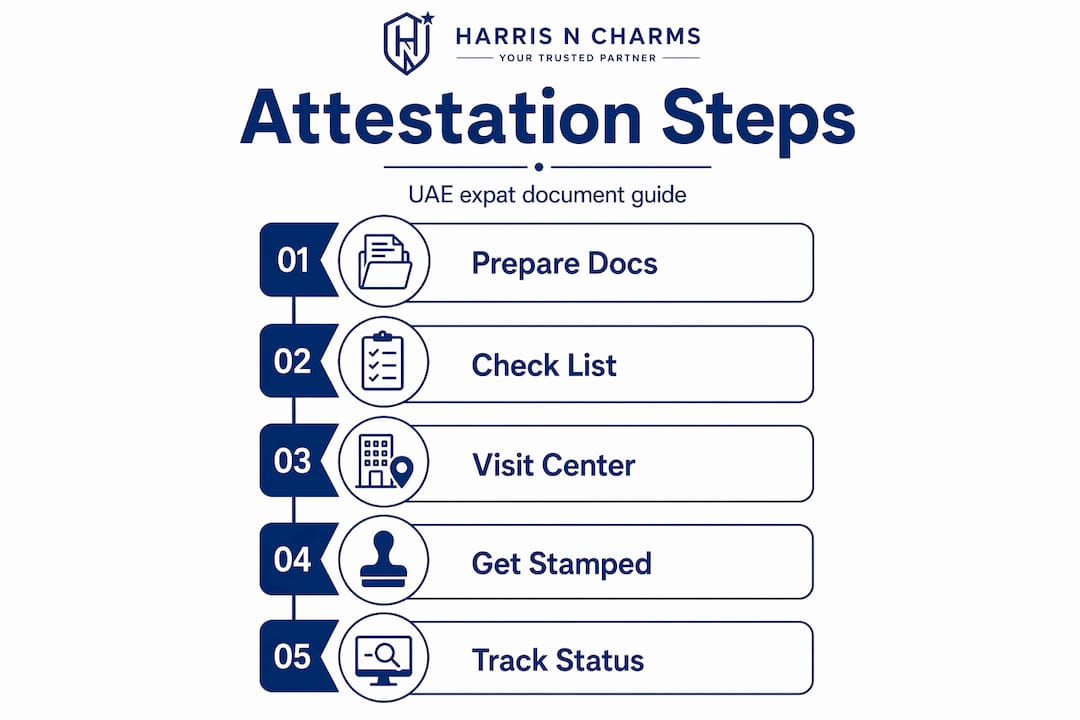
Book appointments early. Attestation centers, especially during peak periods like the start of a new academic year or pre-Ramadan job rushes, fill up quickly. You can visit the Karama Business Center or another designated location and book your slot through the official online booking form well in advance. Showing up without an appointment often means turning around and going home.
Prepare a complete document package. Before your visit:
Check the official requirements list for your specific document type
Confirm whether you need Philippine DFA or Embassy authentication first
Gather originals, photocopies, and any supporting IDs
Verify that your name, date of birth, and other details are consistent across all documents
Keep copies of everything. Once your documents are attested, make certified copies before using the originals. Attested originals are difficult and expensive to replace if lost. Keeping a digital scan also helps if you need to submit electronically later.
Check if translations are needed. Documents issued in Filipino (Tagalog) or any other non-English, non-Arabic language may require certified translation before they can be processed. This is a step many expats overlook until they’re already at the counter.
Track your application. Most centers provide a tracking number or receipt that allows you to monitor your document status. Use it. Following up proactively prevents your papers from sitting unprocessed due to an issue the center failed to communicate.
For a more detailed breakdown of what documents are needed and in what order, the Philippines document attestation guide covers the full chain specifically for Filipino expats navigating UAE requirements.
Pro Tip: If you’re attesting documents for a specific employer or institution, ask them directly what attestation chain they require. Sometimes they need MoFA only. Sometimes they need Embassy plus MoFA. Knowing this before you start saves you from repeating steps.
A practical perspective: What most guides miss about attestation centers
Most articles about attestation centers stop at the steps. Here is what we think actually matters, based on the patterns we see among Filipino expats who run into problems.
The biggest mistake is treating attestation as a last-minute task. Expats often start the process only after receiving a job offer with a two-week start date, or after a visa renewal deadline is already close. By then, the timeline is too tight, stress is high, and the risk of rushing through paperwork incorrectly goes up sharply. Attestation done under pressure is attestation done wrong.
The second mistake is focusing only on cost. We completely understand the impulse to save money, especially when you’re already managing rent, remittances, and daily expenses in a high-cost city like Dubai or Abu Dhabi. But cutting corners on attestation often costs more in the long run. A rejected document means paying fees again, losing days of processing time, and potentially delaying a visa, a job offer, or a school enrollment.
Here is something that most people don’t expect: attestation centers can only validate what is already correct. They cannot fix errors, fill in missing information, or substitute for documents you forgot to bring from the Philippines. If your birth certificate has a typo in your name that differs from your passport, no amount of rushing through the center will fix that. You’ll need to go back to the Philippine Statistics Authority and correct the source document first. That process alone can take months.
The distinction between legalization vs attestation is also something that trips people up more than it should. These terms are often used interchangeably, but they refer to different processes that apply in different contexts. Knowing which one your specific situation requires prevents you from completing the wrong process and starting over.
Our honest advice: treat attestation as a project, not an errand. Map out every step, confirm requirements with the receiving party, prepare your documents methodically, and build in buffer time for unexpected delays. That mindset alone puts you ahead of most expats navigating this process.
Take the next step with expert attestation support
If you want to avoid common mistakes and handle your documents confidently, getting expert support can make a real difference.
Sorting out document attestation on your own is possible, but it takes time, patience, and a clear understanding of UAE requirements that most people only gain after making a few costly errors.
Harris & Charms specializes in supporting Filipino expats through the UAE’s complex attestation and legalization requirements. Whether you need help figuring out the right process for your specific documents, guidance on the correct attestation chain, or end-to-end document support, the team at Harris & Charms is built for exactly this. You don’t have to navigate it alone, and you definitely don’t have to guess. Reach out and get the clarity you need before you start submitting.
Frequently asked questions
Do I need to book an appointment to visit an attestation center in the UAE?
Yes, most centers require an appointment booked in advance, such as through the Karama Business Center online form. Walk-ins are generally not accepted, so scheduling ahead is essential to avoid a wasted trip.
Which documents do attestation centers accept for Filipino expats?
Common documents include educational diplomas, birth or marriage certificates, and powers of attorney, as attestation centers are designed to handle a wide range of personal and professional paperwork. Always verify specific requirements for your document type before submitting.
What is the difference between an attestation center and an agency?
Attestation centers are official or government-linked venues that process MoFA-related attestation directly, while agencies are private firms that act as intermediaries between you and the government authority. Agencies may offer more convenience but typically charge higher fees.
Can attestation centers process urgent documents?
Some centers offer expedited or priority service options for an additional fee, but availability depends on current capacity and the document type. Always ask about urgent processing timelines when booking your appointment.
Do I need a translation for my documents before attestation?
If your documents are in Filipino, Tagalog, or any language other than English or Arabic, certified translations are typically required before the attestation center will process them. Arranging translations in advance prevents delays on the day of your visit.
Recommended
Comments