
Apostille Verification Methods: Your 2026 Guide
- contact335627
- Jul 8
- 8 min read
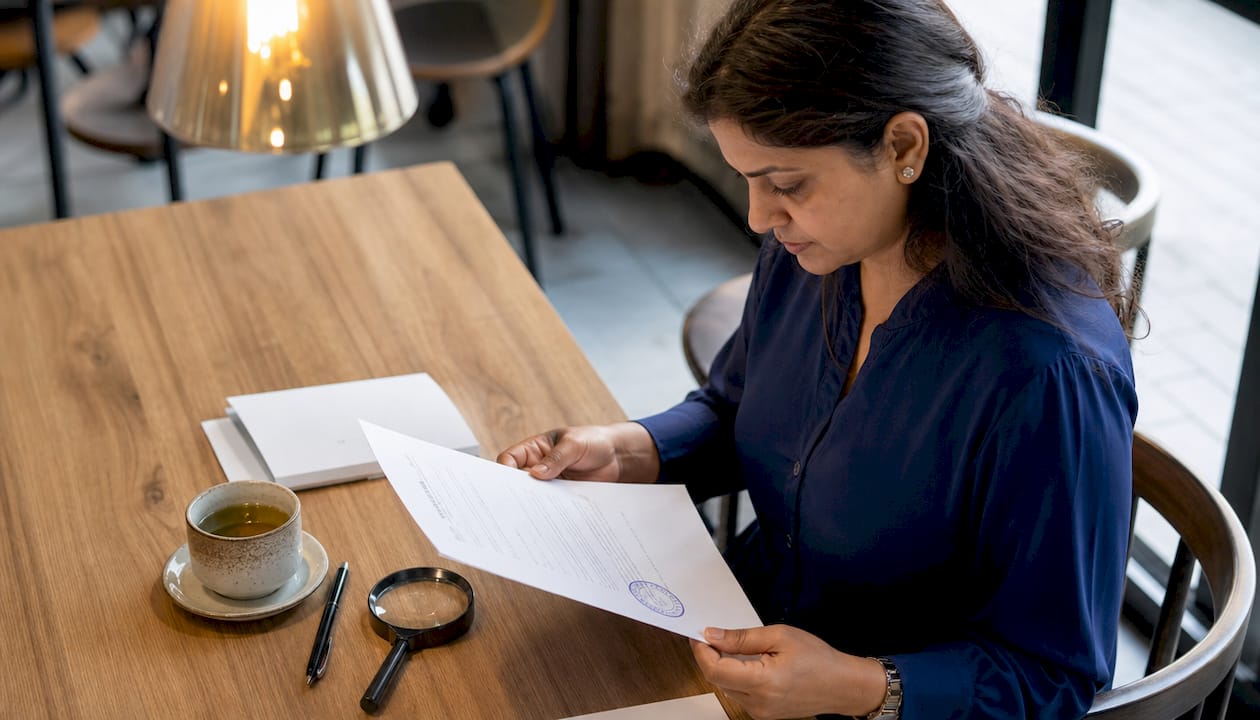
Apostille verification methods are the standardized procedures used to confirm that an apostille attached to a document is genuine and legally valid for use in a foreign jurisdiction. The Hague Convention Abolishing the Requirement of Legalisation for Foreign Public Documents, administered by the Hague Conference on Private International Law (HCCH), governs the entire apostille system. For Filipino expats in the UAE, a rejected or unverifiable apostille can delay employment, education, or legal proceedings by weeks. Knowing which verification method to use, and when, is the difference between a document that works and one that gets turned away at the counter.
1. What are the primary apostille verification methods?
The two leading apostille verification methods are government e-Register lookups and digital signature validation for e-Apostilles. Over 60 countries maintain operational e-Registers, making online checks the fastest and most authoritative option available today. These two methods together cover the vast majority of apostilles issued by countries that have modernized their systems under the HCCH framework.
Physical inspection of paper apostilles and direct contact with issuing authorities round out the full toolkit. Each method serves a different scenario, and the most reliable approach layers more than one check for high-stakes documents.
2. How to use government e-Registers for online verification
Government e-Registers are official online databases where apostilles are recorded at the moment of issuance. To verify, you enter the apostille’s unique registration number into the issuing country’s portal and the system confirms whether the record exists and matches the document details.
HCCH operational e-Registers are the authoritative source to determine whether a country supports online verification. Checking this list before searching saves time and prevents frustration when a portal simply does not exist for a given country. The Philippines, for example, maintains a Department of Foreign Affairs (DFA) e-Register that allows real-time lookups of apostilles issued domestically.
Go to the HCCH website and confirm the issuing country has an active e-Register.
Locate the official government portal for that country’s competent authority.
Enter the apostille registration number exactly as printed on the document.
Confirm that the name, date, and issuing authority match the document in hand.
Save or print the verification result as a record.
Foreign institutions often reject apostilles that cannot be verified online. That outcome is avoidable when you check the HCCH list first and use only official portals.
Pro Tip: Never use third-party verification websites that charge a fee to “check” your apostille. These sites have no access to official government databases and their results carry zero legal weight.
3. How to validate digital signatures on e-Apostilles
E-Apostilles are apostilles issued in PDF format with an embedded digital signature from the issuing authority. Adobe Acrobat confirms whether an e-Apostille PDF has been altered after signing through its trusted certificate verification panel. This check is free, takes under a minute, and works without contacting any government office.
Digital signature validation requires checking three things: certificate authenticity, certificate expiration, and real-time revocation status. Real-time certificate revocation checking requires an active internet connection because the software queries the certificate authority’s server to confirm the signing certificate has not been withdrawn. A revoked certificate is a red flag that the document may have been tampered with or that the issuing authority has invalidated it.
To validate an e-Apostille in Adobe Acrobat, open the PDF, click the signature panel, and select “Validate Signature.” The result will show whether the signature is valid, expired, or revoked. Any status other than “valid” means the document needs further investigation before use.
4. How to physically verify a traditional paper apostille
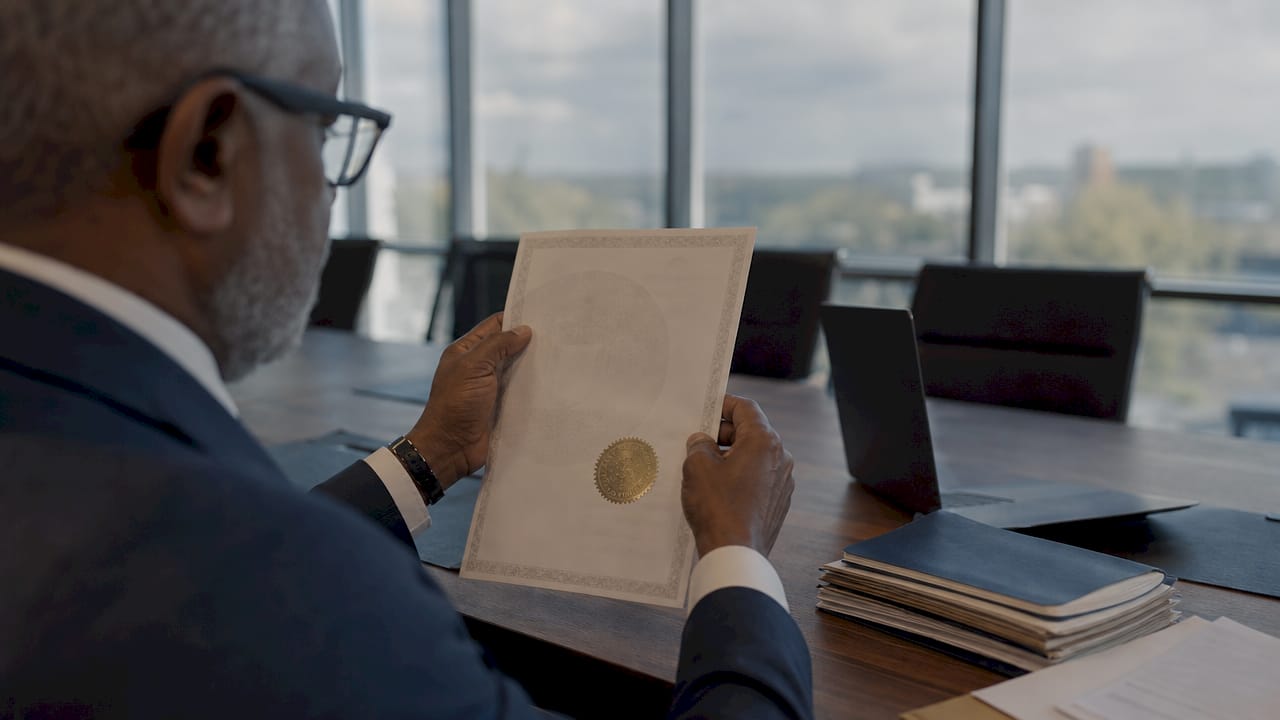
Physical inspection is the baseline check for any paper apostille, and it applies even when online verification is available. Authentic paper apostilles have clear, crisp printing and an identifiable government seal. Blurry text, faded ink, or uneven printing are immediate warning signs.
Confirm the apostille is securely attached to the original document, either stapled, bound, or affixed with a government seal that spans both pages.
Check the printing quality. Text should be sharp, consistent, and free of smudging.
Locate the government seal. It should be embossed, stamped, or printed clearly and match the issuing authority named on the apostille.
Verify the authorized signature. The name and title of the signatory should be legible and consistent with the issuing authority’s records.
Confirm that the document details, including the name of the person and the type of document, match exactly what appears on the apostille.
Reject any document with signs of alteration, correction fluid, or damage to the seal area.
An apostille typically includes a unique registration number, date and place of issue, government seal, and authorized signature. Cross-referencing these physical characteristics against an e-Register lookup is the gold standard for paper apostille confirmation.
Pro Tip: Hold the apostille under a strong light source. Many governments use security paper with watermarks or fine-line patterns that are invisible under normal lighting but obvious when backlit.
5. When and how to contact issuing authorities directly
Direct contact with the issuing authority is the final resort when online and physical checks are inconclusive. This method applies when the apostille registration number returns no result in the e-Register, when the document shows signs of possible alteration, or when a receiving institution demands official written confirmation.
To submit a verification request, you need the following:
The apostille’s unique registration number
The exact date of issuance
The name of the issuing country and competent authority
A copy of the apostille and the underlying document
Standard U.S. authentication service fees are approximately $20 per document. Fees in other countries vary, and processing times and document prerequisites differ by issuing authority, so confirm requirements before submitting.
To find the correct contact, start with the HCCH’s published list of competent authorities for each member country. From there, go directly to the official government website for that authority. Avoid any contact information sourced from unofficial directories or third-party forums, as fraudulent verification services do exist and target people handling international documents.
6. Comparing apostille verification methods
Method | Speed | Reliability | Cost | Best for |
Government e-Register | Minutes | Very high | Free | Most apostilles from e-Register countries |
Digital signature check | Under 1 minute | Very high | Free | All e-Apostille PDFs |
Physical inspection | Immediate | Moderate | Free | Preliminary check on paper apostilles |
Authority contact | Days to weeks | Highest | Varies (approx. $20 in the U.S.) | Inconclusive or disputed apostilles |
Online methods are faster and more reliable for countries with active e-Registers. Physical inspection works as a first filter but cannot confirm authenticity on its own. Direct authority contact is the most definitive method but the slowest. For high-stakes documents such as those used in UAE employment or residency applications, combining e-Register lookup with physical inspection gives the strongest result before submitting.
Countries without e-Registers require either physical inspection or direct authority contact. The HCCH competent authority list tells you which path to take before you spend time searching for a portal that does not exist.
7. Tips for successful apostille verification and document acceptance abroad
Getting verification right the first time prevents costly delays. These practices apply whether you are verifying a Philippine DFA apostille for UAE use or any other international document.
Confirm the destination country is a member of the Hague Apostille Convention before assuming an apostille is sufficient. The UAE accepts apostilles from member countries, but specific consulate requirements may add steps.
Check whether the receiving institution requires an e-Register verification result in writing or accepts a printed screenshot.
Keep a complete record of every verification step, including portal screenshots, email correspondence with authorities, and fee receipts.
Follow the HCCH verification hierarchy: check HCCH lists of competent authorities first, then destination consulate instructions, then issuing government sources.
Use professional apostille services when the document is urgent, the issuing country’s process is unfamiliar, or the stakes of rejection are high.
Understanding why attestation gets rejected is just as useful as knowing how to verify. Many rejections trace back to skipped verification steps or reliance on unofficial sources.
Key takeaways
The most reliable apostille verification process combines an official government e-Register lookup with physical inspection, using direct authority contact only when those two methods leave questions unanswered.
Point | Details |
Start with e-Registers | Over 60 countries have official portals; check HCCH lists before searching. |
Validate e-Apostille signatures | Use Adobe Acrobat to check certificate authenticity, expiration, and revocation status. |
Inspect paper apostilles physically | Look for clear printing, a government seal, and a legible authorized signature. |
Contact authorities when needed | Provide the registration number and issue date; expect fees around $20 in the U.S. |
Use official sources only | Unofficial portals and third-party services carry no legal weight and risk fraud. |
What I’ve learned about apostille verification after years in document services
The biggest mistake I see is people treating apostille verification as a one-step process. They check the e-Register, get a positive result, and stop there. That works most of the time. But for a document going into a UAE employment or residency file, a positive e-Register result combined with a clean physical inspection is the standard I recommend every time.
The shift toward e-Apostilles is real and accelerating. More issuing countries are moving to PDF-based apostilles with embedded digital signatures, and receiving institutions in the UAE are increasingly equipped to validate them. That is genuinely good news for Filipino expats because it cuts processing time significantly. But digital does not mean foolproof. A valid-looking PDF with an expired or revoked certificate is still a rejected document.
The other thing I want to flag is the fraud risk around unofficial verification portals. They look credible, they charge fees, and they produce results that mean nothing. The only sources worth trusting are the HCCH website, the official government portal of the issuing country, and the competent authority itself. If a website is not one of those three, do not use it for verification.
For anyone navigating the Filipino apostille process for UAE documents, the layered approach is not optional. It is the only approach that holds up when a receiving institution pushes back.
— Harris
Harrisncharms: professional help with apostille authentication
Apostille verification is straightforward when you know the steps. Executing those steps correctly under time pressure, across different issuing countries, and for documents that carry real consequences is a different matter entirely.

Harrisncharms specializes in document attestation services for Filipino expats in the UAE, handling the full apostille and authentication process from start to finish. Whether you need a DFA apostille verified, a paper document inspected, or guidance on what the UAE requires for your specific situation, Harrisncharms takes the guesswork out of the process. Learn more about the real benefits of apostille services for Filipinos in the UAE and get the support you need before your deadline arrives.
FAQ
What is the fastest way to verify an apostille?
The fastest method is an official government e-Register lookup, which returns a result in minutes. Over 60 countries maintain active e-Registers accessible through the HCCH website.
Can I verify an apostille without internet access?
Physical inspection of the paper apostille is possible without internet access. Check for clear printing, a government seal, an authorized signature, and a unique registration number on the document.
How do I verify a Philippine DFA apostille for use in the UAE?
Use the DFA’s official online verification portal to look up the apostille registration number. Confirm the result matches the document details before submitting to any UAE institution.
What should I do if an apostille cannot be verified online?
Contact the issuing authority directly with the registration number, issuance date, and a copy of the apostille. In the U.S., this service costs approximately $20 per document; fees vary by country.
Are e-Apostille PDFs safe to accept without additional checks?
An e-Apostille is safe to accept only after validating its digital signature in software like Adobe Acrobat, confirming the certificate is authentic, current, and not revoked.
Recommended
Comments