
One Authentication Replaces Two: Apostille vs Red Ribbon for Filipinos
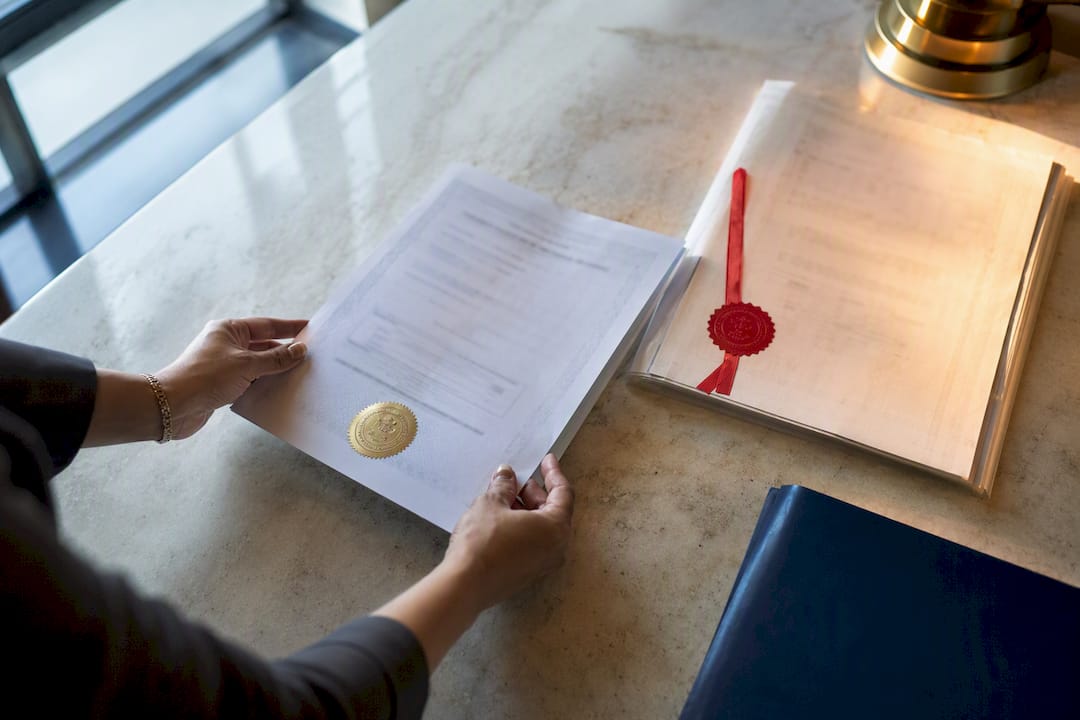
The Apostille replaced the DFA’s old “red ribbon” for Philippine documents heading to Hague Convention member countries, effective May 14, 2019. If your destination country belongs to the Apostille Convention, you need an Apostille, not a red ribbon. Red ribbon authentication (technically consular legalization) still applies only when your destination country has not joined the Convention, or in a handful of special institutional cases.
TL;DR:
Only documents for destinations in countries that are members of the Hague Apostille Convention now require an Apostille; non-member countries still need the traditional DFA authentication and embassy legalization.
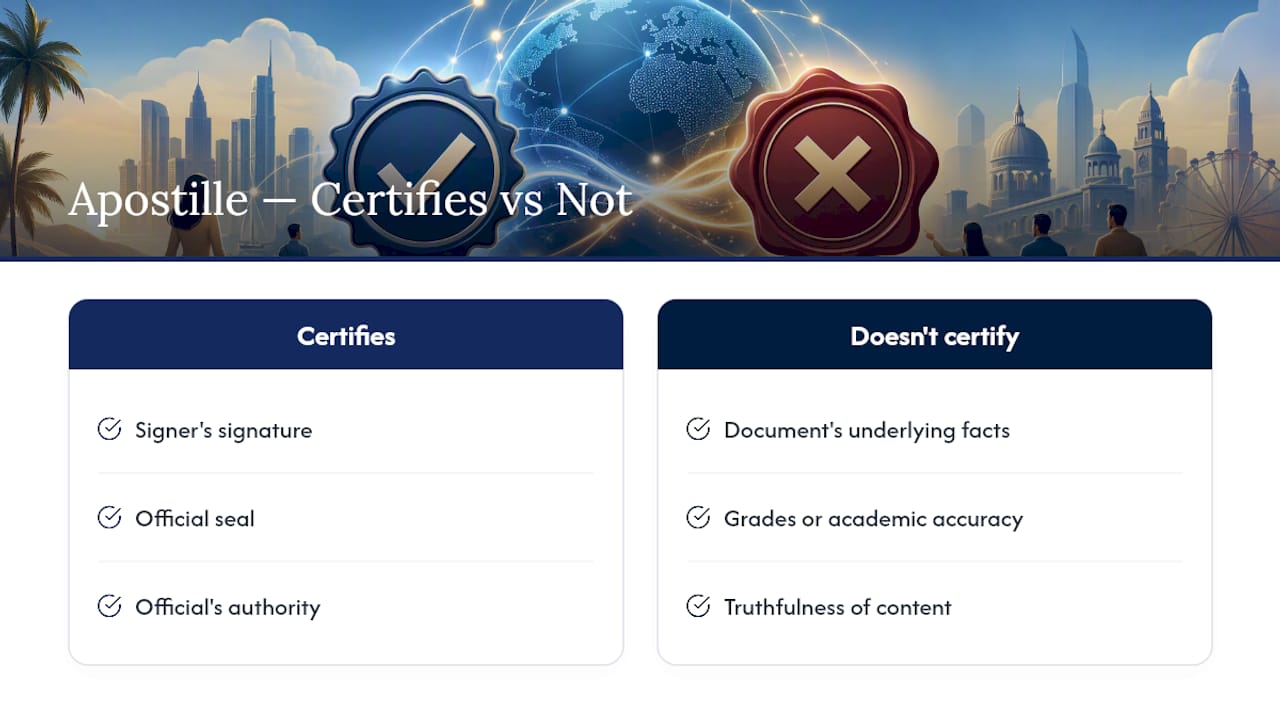
An Apostille certifies the signature and authority of the official who issued or notarized the document, not the document’s content or authenticity of information.
For documents from Philippine agencies like PSA or CHED, certification from the issuing agency may be necessary before applying for an Apostille.
The process for Apostille involves preparing, notarizing, and submitting the document to DFA; delays often happen if notarization or certification is incomplete or incorrect.
Despite the change in terminology, many institutions still mistakenly ask for a “red ribbon,” which is no longer issued for Hague Convention countries since 2019.
Table of Contents
Red Ribbon vs Apostille: What Actually Changed in 2019
The Hague Apostille Convention exists to cut out a redundant step. Before 2019, a Philippine document headed abroad needed authentication from the Department of Foreign Affairs, then a second round of legalization at the destination country’s embassy or consulate in Manila. That second step is what the DFA used to seal with a literal red ribbon.
The Philippines joined the Convention on May 14, 2019, and the DFA stopped attaching red ribbons that same day for any document going to a fellow member state. News coverage at the time, including Rappler’s report on the switch, framed it plainly: one authentication now does the work that used to take two.
Here’s the part people misunderstand: an Apostille doesn’t vouch for what’s written in your document. It only certifies the signature, seal, and authority of the official who issued or notarized it. A diploma with an Apostille confirms the registrar’s signature is genuine. It says nothing about your grades.
Deciding Which Path Applies: Apostille vs. Consular Legalization
Two questions settle this every time.
Is your destination country a signatory to the Hague Apostille Convention? Check the HCCH status table directly. Country lists you find on random blogs go stale; the HCCH page doesn’t.
Is your document the kind the Convention covers? Public documents, notarized private documents, and civil registry records generally qualify. Some documents fall outside the Convention’s scope regardless of destination.
If both answers land in your favor, an Apostille is all you need. Skip the embassy trip entirely.
If your destination hasn’t joined the Convention, you’re back to the old two-step process: DFA authentication first, then legalization at that country’s embassy or consulate. This is what most people still call “getting a red ribbon,” even though the DFA hasn’t literally attached one since 2019. Our guide on apostille versus consular legalization breaks down that older workflow step by step.
Watch for edge cases, too. Some receiving institutions, including certain government agencies or banks abroad, ask for extra legalization even when the destination country technically accepts Apostilles. Legal commentary on this points out that specific carve-outs still require the older process despite the country’s Convention membership. Always confirm with the exact office or embassy that will receive your document before you assume the simpler route applies.
How to Get a DFA Apostille: Step by Step
Getting an Apostille follows a set sequence, and skipping a step is the fastest way to get your document bounced back.
Prepare the document. Confirm it’s either a government-issued original (birth certificate, marriage certificate, FBI clearance) or a properly notarized private document (Special Power of Attorney, affidavit, business contract).
Notarize if required. Private documents need notarization by a licensed Philippine notary before anything else happens. A missing or incomplete notary block is one of the most common rejection triggers.
Get agency certification if applicable. Some documents, like those from the Philippine Statistics Authority or CHED, need certification from the issuing agency before DFA will process them.
Submit to DFA Authentication Division. You can file in person at DFA offices in the Philippines or, in many cases, through an authorized courier or service provider handling submissions on your behalf.
Our detailed walkthrough on DFA authentication for Philippine documents covers document-specific requirements if you’re unsure where your paper fits.
The finished Apostille appears as a standardized certificate, usually attached to or stamped on the back of your document, referencing the Convention and stating the capacity of the signing official. It does not restate or verify the content inside.
Processing timelines vary depending on document type and current DFA volume. Fees vary by document category, so check DFA’s own fee schedule rather than trusting a number from a forum post.
Pro Tip: Special Power of Attorney forms are notorious for missing the exact notary wording DFA requires. Have a document specialist review the notary block before you submit, not after it gets rejected.
If Your Destination Isn’t an Apostille Country: The Older Consular Route
Some countries still sit outside the Hague Apostille Convention, and for those, the multi-step process survives, red ribbon habits and all.
Step one: DFA authenticates the document, confirming it recognizes the notary or issuing official.
Step two: You bring that DFA-authenticated document to the destination country’s embassy or consulate in the Philippines for their own legalization stamp.
The embassy step remains necessary because non-member countries never agreed to accept a single-authority Apostille in the first place. Their legalization requirement is a separate legal formality that the Convention doesn’t touch.
If you can’t travel to Manila for the embassy leg, many people use an authorized representative or a documentation service to submit and collect on their behalf. That saves the flight, though it doesn’t shorten the embassy’s own processing calendar.
The consular route generally takes longer and costs more than the Apostille process, since it involves two separate government procedures. Our step-by-step comparison guide lays out realistic timeframes for both paths side by side.
Common Misconceptions About Apostille Certification
The biggest misunderstanding: people assume an Apostille checks whether a document’s contents are true. It doesn’t. It only confirms who signed it and in what official capacity. A forged diploma with a genuine signature can still get apostillized, because the Apostille isn’t a fact checker.
Old habits die slow, too. Plenty of Filipinos still ask for “red ribbon” out of muscle memory, even when their destination country has been an Apostille member for years. Practitioners who process these documents daily treat that request as a cue to double check what the receiving country actually needs, then guide the client toward the correct modern process.
Pro Tip: Before submitting anything, call or email the exact office abroad that will receive your document. Some institutions ask for extra legalization even in Convention countries, and finding that out after DFA processing wastes time you can’t get back.
Why This Distinction Matters More Than People Realize
I’ve watched Filipino expats lose weeks over a single word: red ribbon. They ask for it, get told DFA doesn’t do that anymore, and end up starting over with the correct Apostille request. The confusion isn’t their fault. The DFA changed procedures overnight in 2019, but the old terminology stuck around in everyday conversation far longer than the actual stamp did.
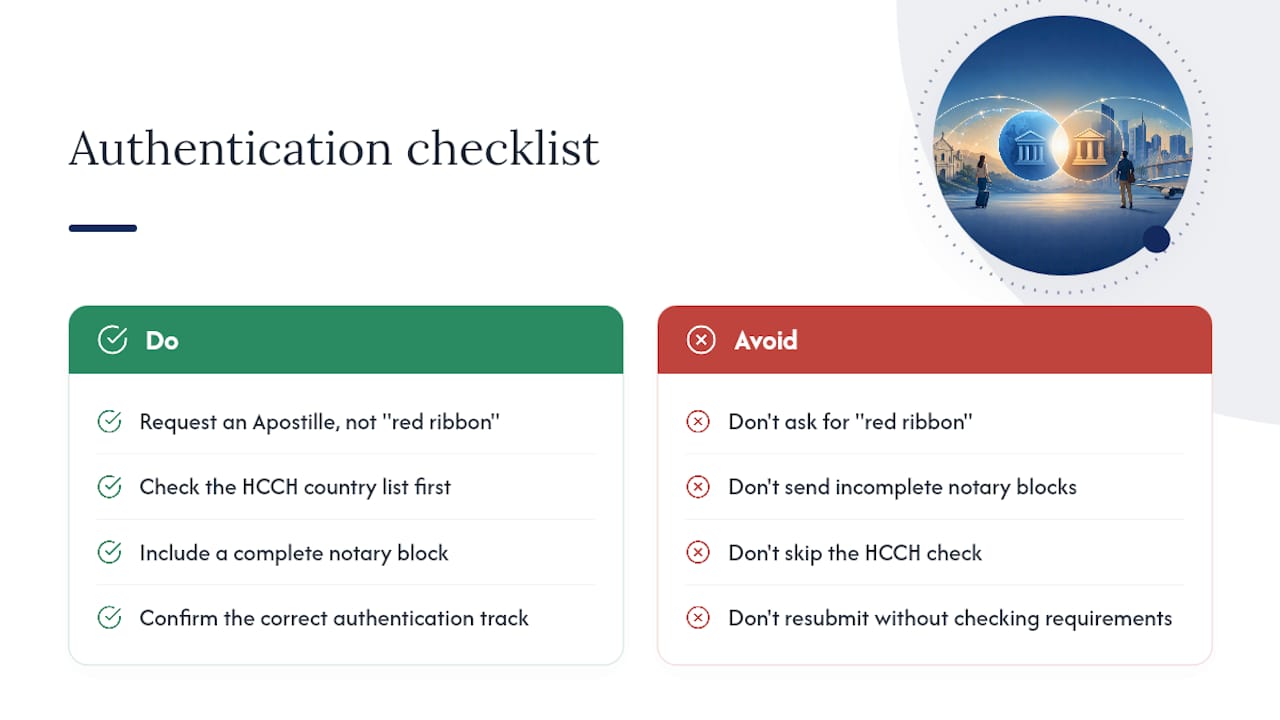
What frustrates me most is how many rejections trace back to something fixable: a notary block missing one line, or a document sent to the wrong track entirely because nobody checked the HCCH list first. This isn’t complicated once you know the two questions that matter. Most people just never get told what those questions are before their document gets sent back.
Many service providers work with Filipino expatriates in the UAE who need Philippine documents authenticated for use in the UAE and internationally, and getting the process right the first time is important. Fewer resubmissions means fewer delays when you’re already juggling a visa deadline or an employer’s paperwork clock.
— Harris
How Harrisncharms Handles Your Apostille and Legalization Paperwork
Some companies specialize in assisting clients by sorting out which Philippine documents need an Apostille and which still require the older consular legalization route, then handling the filing to ease the process.

The services cover document attestations, Apostille processing, consular legalization support for non-Convention destinations, legal translation for documents that need it, marriage registration assistance, and police clearance certificates, all built around the reality of processing Philippine paperwork from the UAE. Instead of guessing whether your destination needs an Apostille or a full legalization chain, you get that determined upfront, which saves the resubmission cycle that trips up so many DIY filers.
If you’re a Filipino expat or business owner in the UAE with a document that needs to move through this process, start by reviewing the full list of services and sending over your document details for a straightforward quote on timelines and pricing.
Where to Verify This Yourself
Don’t take any single article’s word on a fast-moving process. The DFA Authentication Division FAQ page is the primary source for current procedures and requirements. The HCCH status table tells you definitively whether your destination country accepts Apostilles today. For historical context on the 2019 switch, Rappler’s coverage is still a clear public record. Always confirm specific requirements with the receiving institution or embassy before you submit anything.
Sources
FAQ
Is the Philippine Apostille accepted in the UAE?
Yes. The UAE is a member of the Hague Apostille Convention, so Philippine documents apostillized by the DFA are accepted there without additional embassy legalization, provided the receiving UAE institution doesn’t request extra steps.
How much does red ribbon cost at DFA?
DFA no longer issues literal red ribbons for Convention-member destinations; that process was replaced by the Apostille in 2019. For non-Convention destinations still requiring consular legalization, fees vary by document type, so check current DFA fee schedules directly or contact a service provider for a quote.
What is another name for an Apostille?
An Apostille is sometimes called an “Apostille certificate” or referred to informally as the modern replacement for the old DFA red ribbon, though the two terms describe different processes entirely.
Where can I get red ribbon documents processed now?
For destinations still outside the Apostille Convention, the process runs through DFA authentication followed by embassy or consulate legalization in Manila; some service providers can handle this consular legalization route on your behalf for documents used in or through the UAE.
How do I know if my document needs an Apostille or the older legalization process?
Check whether your destination country appears on the HCCH status table: if it’s a member, you need an Apostille; if not, you need DFA authentication plus embassy legalization.
Recommended
Comments